LAWS
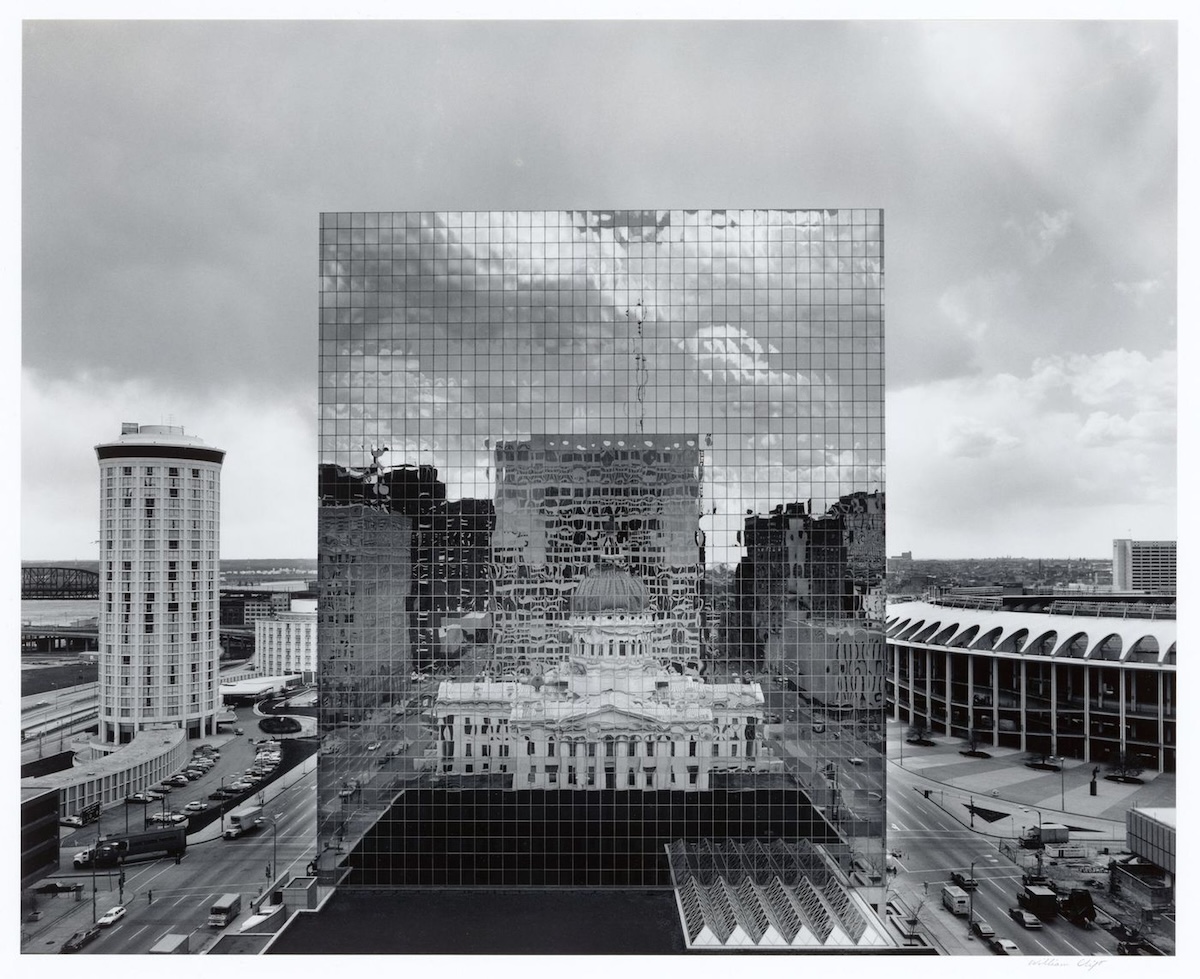
How does law shape the built environment and design practice? Why do cities look and function the way they do? What frameworks structure our relationships with our neighbours and nature? More critically, how might architects and planners begin to appropriate regulations—such as building codes, zoning, and environmental policies—as proactive instruments and design tools, rather than obstacles?
Today, the potential for architects and planners to act as influential and transformative agents in the city is increasingly crowded out by market-driven development priorities. Political strategies, administrative procedures, and market-based regulations mostly define the conditions under which we live and work, often rendering architects unable to meaningfully address social concerns. Colonial, discriminatory, extractive, exclusionary frameworks restrict the ethical and technical potential of spatial production. As housing, environmental, and social crises escalate, the critical capacity of design is fragmented, dispersed, and diminished.
Evidently, the field of law forms a decisive ground to reconstitute architecture today. But to rewrite their rules, architects must first understand and reconsider the legal territory in which they operate and situate the design of legislation within spatial practice